The problem
It works. That was the easy part.
Nine things came with the app. Each one is fine until the app matters, and it already does.
The doors
Your API keys ship in the browser. The builder put the keys where the front end could reach them, which is where anyone can reach them. Your database key and your model key are a view-source away.
The tables are open to the world. The database answers anyone who asks, because the rule that says who may read which row was never set, or never set right. Every user can read every other user’s rows, and a scanner finds it before a customer does.
The login lives in the browser. The check that someone may see the admin page runs in their browser, which they control. One setting changed in their own browser and they are in.
The data
Test data and real data share one database. The published app reads the database you prototyped on, unless someone set up a second one on purpose. The test accounts and sample records sit in the same tables as your first paying customers, and cleaning out one puts the other at risk.
The agent can write to it. The agent that builds your features edits the database you prototyped on. Your users are on that one too. One confident change to the tables and a table is gone.
The backup has never been restored. There may be a backup. It has never been restored, so whether it works is a guess, and so is who would do it at three in the morning.
The code
The code arrived unread. Thousands of lines arrived in a weekend and nobody on your side read them. The same piece of the app exists several times, each slightly different, and a fix lands in one of them.
There are no tests. The agent said it was done and the demo ran, so nothing was written to check that it stays done. Every change since was checked by whoever used it next.
It is tied to the builder. Lovable’s export gives you the code. The database, the files, the logins and the server functions stay behind, each to be moved by hand.
Use case: off the builder, into your cloud
What Jaah does about each of them.
It reads the code before it touches it.
Connect the repository and the first task reads it. Jaah works out how the app runs and what it is built on, makes sure every change has checks to pass, starting with the build, and gives each task its own copy of the code. Agents get only the credentials you grant.
- How the app runs, worked out before any change
- The checks every change has to pass
- A copy of the code per task, with the credentials you grant
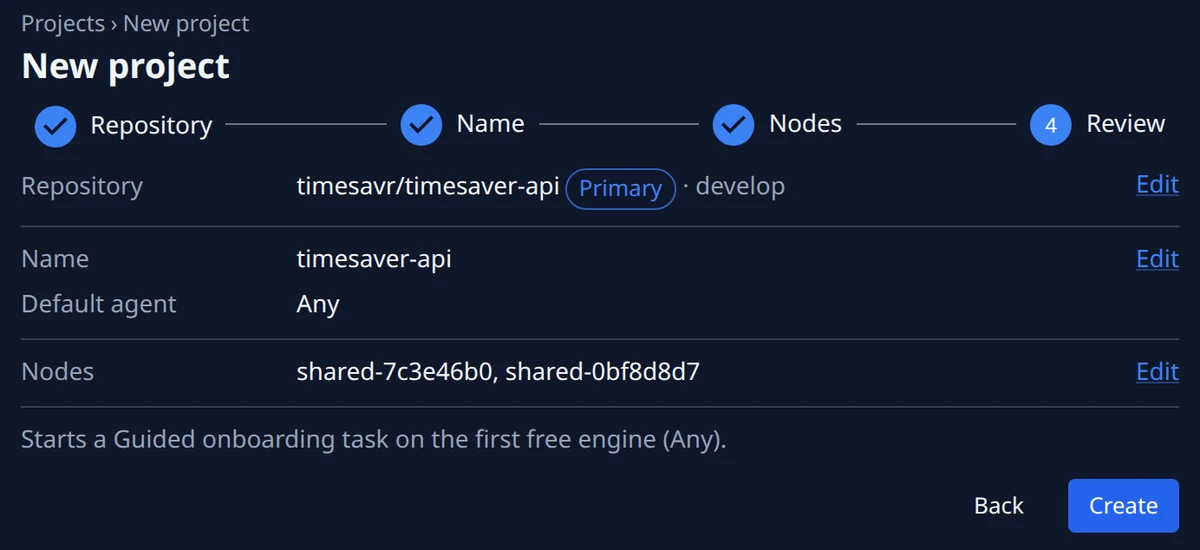
Find the open doors first.
Before anything moves, ask for the biggest risks in the codebase and get them back ranked, each with where it sits and its fix. The key moves to the server, the table gets its row rule, and the login check moves to the server too. The ranking comes back as a report you can read and forward, and each fix is a task of its own that goes through the same reviews as everything else.
- The top risks, ranked, with the fix for each
- A report you can read and forward
- Each fix a reviewed change of its own
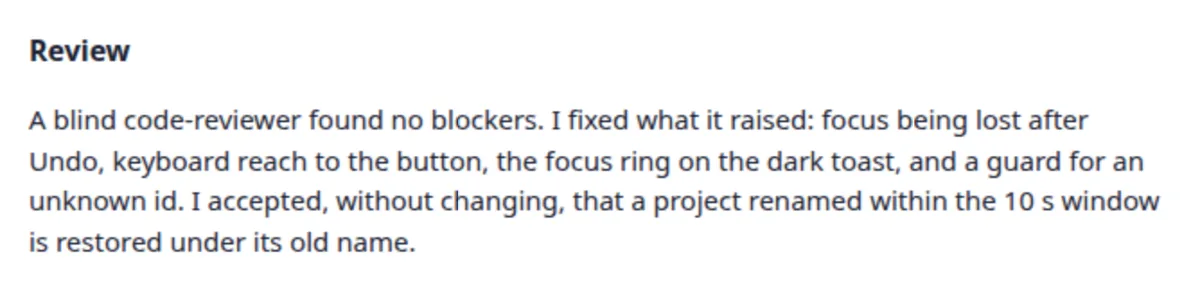
A roadmap with a way back at every step.
Ask for the migration roadmap and the agent asks you first, with options and its recommendation. It asks what still runs where, which AWS or Google Cloud account is the target, where the data, the files and the logins go, and who approves each switch-over. The answer is a plan in phases, each with its way back and its risks named, written into the repository where your team and the agents both read it. First the groundwork, one task each: agents provision your cloud account and a production database, rehearse a restore before anything depends on it, and build the pipeline that deploys there. A person says go at each switch-over.
- Your answers before its plan
- A production database of its own, and a restore rehearsed
- Phases, each with a way back, and a person at each switch-over
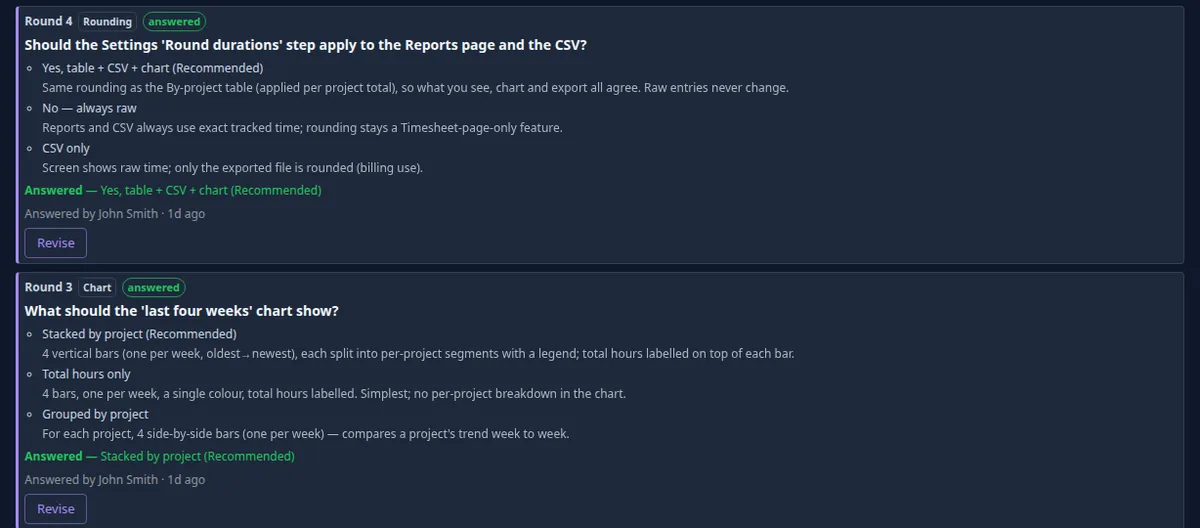
One feature at a time. Tests included, finally.
Ask for a feature map and get every module of the prototype with its code and its place in your cloud. Then hand over one feature as a brief: the agents work out what it does, design its place, split it into steps and build each one, with the tests it never had. Agents migrate its data to the new database, rehearsed first, and each step is merged into your branch after the same reviews as everything else. Once it is merged, agents deploy it, watch production and roll back a release that misbehaves; a sensitive operation waits for your approval.
- Every module of the prototype mapped to its place
- A feature at a time, with the tests it never had
- Reviewed, merged, deployed and watched in production
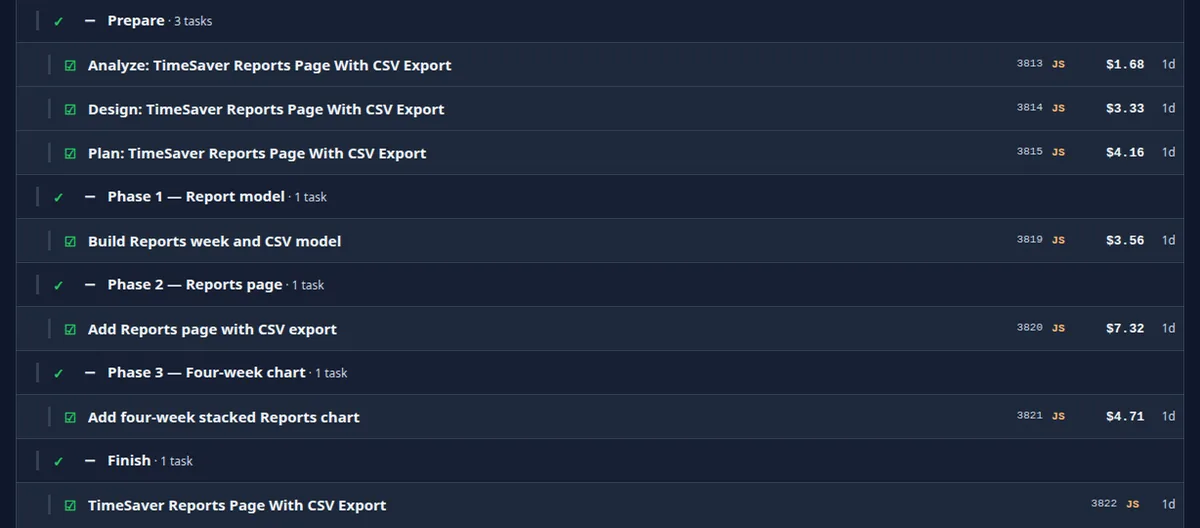
New features keep shipping during the move.
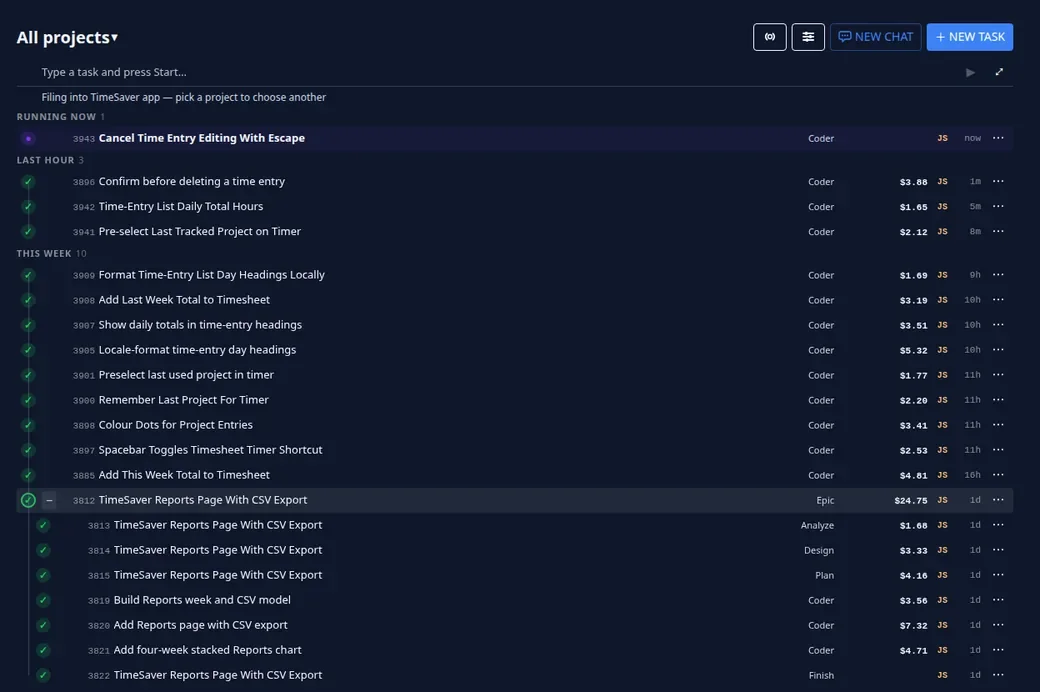
The same board runs the rest: the fix a user reported this morning, the requirements for the next feature, a competitor study, the dependency updates on a schedule. Your team files tasks in plain words and answers the agents’ questions from Slack or a phone, and the cost and tokens of every task are on the board.
- Features, fixes and research on one board
- Your team asks; the agents ask back
- Cost and tokens per task, live
Use case: off the builder, into your cloud
From the export to your cloud.
A Replit or Lovable app, exported to a repository.
The move starts from the app’s code on GitHub, GitLab, Bitbucket or Azure DevOps, and ends in a codebase written for AWS or Google Cloud.
- An app from Replit or Lovable, exported to a repository; the same move from Bolt or v0
- A prototype on the builder’s database, with real users on it
- A company of one, or the agency that inherited the app
Everything on the record, from the first task.
Each task hands back its result with its report, so the move documents itself as it happens.
- The app, running on AWS or Google Cloud; the same move to Azure, or to the machines you run
- Every question the agents asked, and your answer, on the task
- The transcript, every command and the cost of each task
Same app. Your cloud. Every change reviewed.
Start free, then pick the plan that fits how fast the move should go and how many features are queued behind it.